Millicent Omanga: PHOTO - COURTESY
When political campaigns begin using child abuse as a punchline, we’ve crossed a line that should never be blurred.
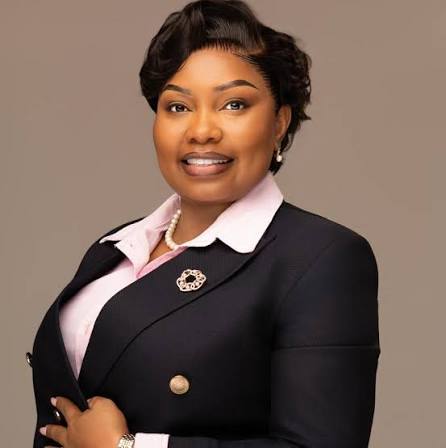
Nairobi woman representative aspirant Millicent Omanga recently shared a photo of herself in a school uniform with the caption, “Mumesema morio akijaribu kuongelesha huyu ni child abuse 🫣😜.” Whether intended as humour or not, the message trivialises an issue that devastates thousands of Kenyan children every year.
A school uniform is more than clothing. It represents childhood, education, innocence and the duty we all share to protect children. Turning it into a sexually suggestive campaign prop while joking about child abuse sends the wrong message, especially from someone seeking public office.
The Kenya Violence Against Children Survey 2019 paints a sobering picture. Nearly half of young women (45.9%) and more than half of young men (56.1%) experienced some form of violence before turning 18. The survey also found that 15.6% of young women experienced childhood sexual violence, and almost two-thirds of those survivors endured repeated abuse. Worse still, only about two in five survivors disclosed what had happened.
These are not statistics to be turned into campaign engagement. They represent children carrying trauma that can last a lifetime. The same report links childhood violence to mental distress, suicidal thoughts and long-term health consequences.
Leaders shape public discourse. They influence what society normalises and what it condemns. Kenya deserves campaigns built on ideas, integrity and service, not messaging that risks making light of child sexual abuse.
Some topics should remain beyond the scope of political marketing. The dignity and protection of children is one of them.