PHOTO: COURTESY, Pauline Afande
As the sun rises on March 8th each year, a global wave of energy and inspiration surges through streets, workplaces, and communities. International Women’s Day (IWD) is a powerful reminder of the relentless pursuit of gender equality and women’s rights that has transcended generations.
International Women’s Day has roots that stretch back to the early 20th century, emerging out of the labor movements in North America and Europe. The first official celebration took place in 1911, drawing attention to women’s rights to work, vote, and hold public office. As the years progressed, the day garnered recognition from the United Nations in 1975, and it has grown into a global observance that emphasizes the social, economic, cultural, and political achievements of women.
Each International Women’s Day serves as a platform to remind us that while progress has been made, the fight against gender inequality is far from over. This year’s theme for International Women’s Day is centered around gender sensitivity. This is a crucial concept that encourages understanding, respect, and acknowledgment of the different experiences and challenges faced by individuals based on their gender.
For too long, discussions about gender have been oversimplified or ignored entirely. Gender-sensitive approaches recognize the diverse identity spectrum, urging us to create inclusive spaces that nurture and empower everyone, regardless of their gender identity.
Celebrating International Women’s Day means standing in solidarity with diverse voices and experiences. It challenges the predominant narratives that often marginalize the stories of women of color, LGBTQ+ individuals, and women with disabilities. By embracing an intersectional perspective, we can champion a more comprehensive understanding of what it means to be a woman in today’s world, advocating for everyone’s right to thrive.
Why Celebrate?
This is a moment to reflect on the monumental achievements of women. From trailblazers in science and politics to everyday heroes advocating for their communities, celebrating women’s accomplishments encourages future generations to achieve their dreams. International Women’s Day shines a spotlight on the ongoing struggles surrounding gender equality. Initiatives aimed at combatting domestic violence, ensuring equal pay, and promoting women’s health are just a few areas needing our concentrated efforts. By raising awareness on these pressing issues, we push for change and challenge the status quo.
Awareness without action may lead to stagnation. International Women’s Day catalyzes change by inspiring individuals and organizations to take concrete steps toward supporting gender equality. Whether it’s through community projects, policy advocacy, or educational initiatives, action can dismantle the barriers that still exist.
This day serves as a call to action, uniting people of all genders to stand together for equality. Many events, marches, and discussions take place across the globe, reminding us that the fight for women’s rights is a collective issue that requires everyone’s engagement.
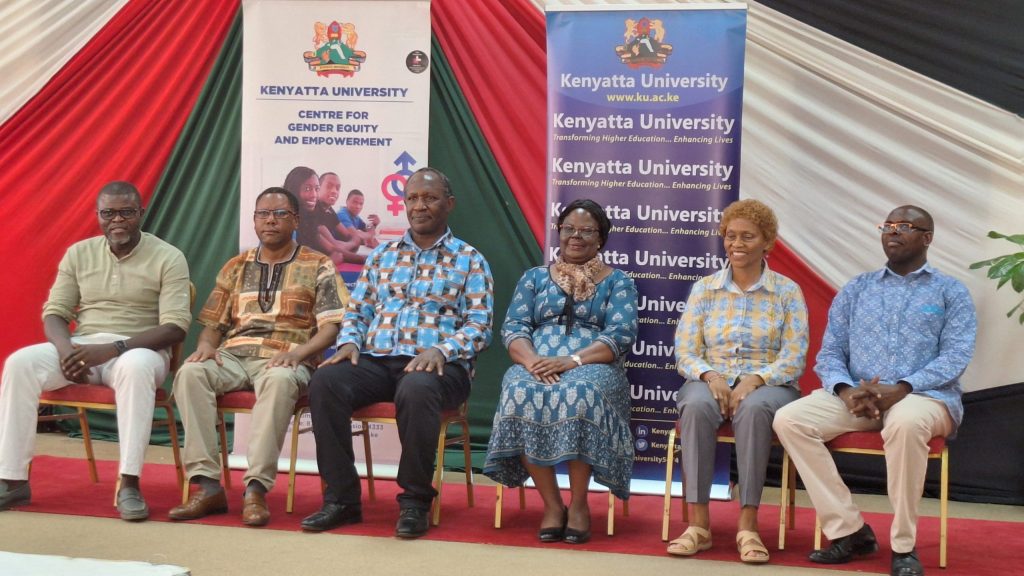
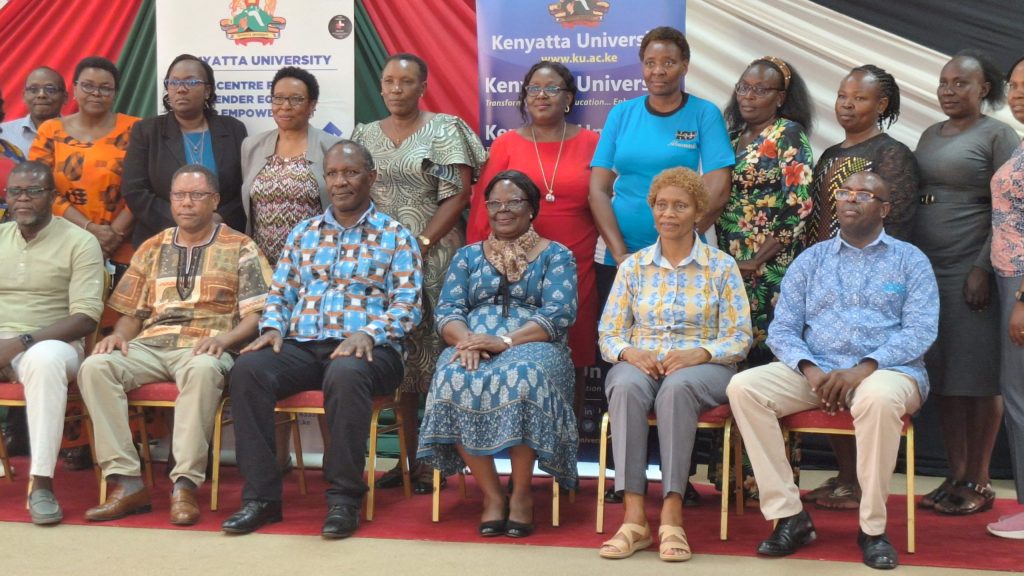
By recognizing and advocating for gender sensitivity, Kenyatta University’s Center for Gender Equity Empowerment hosted a significant event today, focusing on this year’s global theme “Accelerating Action for Women and Girls, Rights. Equality and Empowerment.” This event brought together significant personnel such Prof Waceke Wanjohi,Ph.D, FRSB, FKNAS Ag. -Vice Chancellor Kenyatta University who was the Chief guest, faculty representatives, students and experts to discuss and strategize on advancing women’s rights.
While addressing the congregation on this special occasion, VC Wanjohi in her speech noted that this year’s theme is a way of pushing forward and consolidating women’s efforts for equity. She further stated that gender issues are central hence there is need for the society to embrace women empowerment in order to reduce the rate of dependency.
Prof Wanjohi reiterated that, as a center of learning, the university is committed to the principle of equity. Everyone who has had a chance of associating with the institution bit through employment or knowledge acquisition is treated equally regardless of race, gender, physical attributes etc. “The University upholds zero tolerance to gender- based violence,” VC Wanjohi said. She further called upon the community to work hand in hand with women in empowering then thus enabling then explore their potential.
Discrimination has been the greatest barrier to gender equality as it violates individual rights according to the 2010 constitution. While reckoning the Vice Chancellor’s speech, prof Judith Waudo – Director, Center for Gender Equity and Empowerment and KU-WEE Hub Leader stated that women continue to experience inequality daily, either politically, economically, socially, technologically and in participation in decision making due to social norms hence the need to develop strategies that can help accelerate action for women and girls’ rights, Rights. Equality. Empowerment.
Some of the important norms that would play a bigger role in accelerating women and girls rights according to Prof Waudo are; implementing gender and sexual based violence policies, having gender responsive budgets to facilitate the implementation of gender policies, putting in place penalties for institutions that do not have gender responsive budgets, enforcing laws strictly especially those that deal with GBV offenders, carrying out more advocacy events at all levels as well as relieving women or compensating women of child care responsibilities as this has been identified as a key barrier to women empowerment.